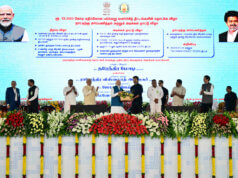

Premier Energies Ltd has commissioned a 5.6 GW solar module manufacturing facility at Seetharampur in Rangareddy district of Telangana. The plant was inaugurated by Telangana Chief Minister A Revanth Reddy, marking a major capacity addition for the company and for India’s clean energy manufacturing push.
With this new plant, Premier Energies’ solar module manufacturing capacity has increased to 11.1 GW. The project is part of the company’s Rs 12,500 crore capital expenditure plan, which also includes expansion into battery energy storage systems and aluminium frames. For Telangana, this adds another large clean-tech manufacturing unit to its industrial map.
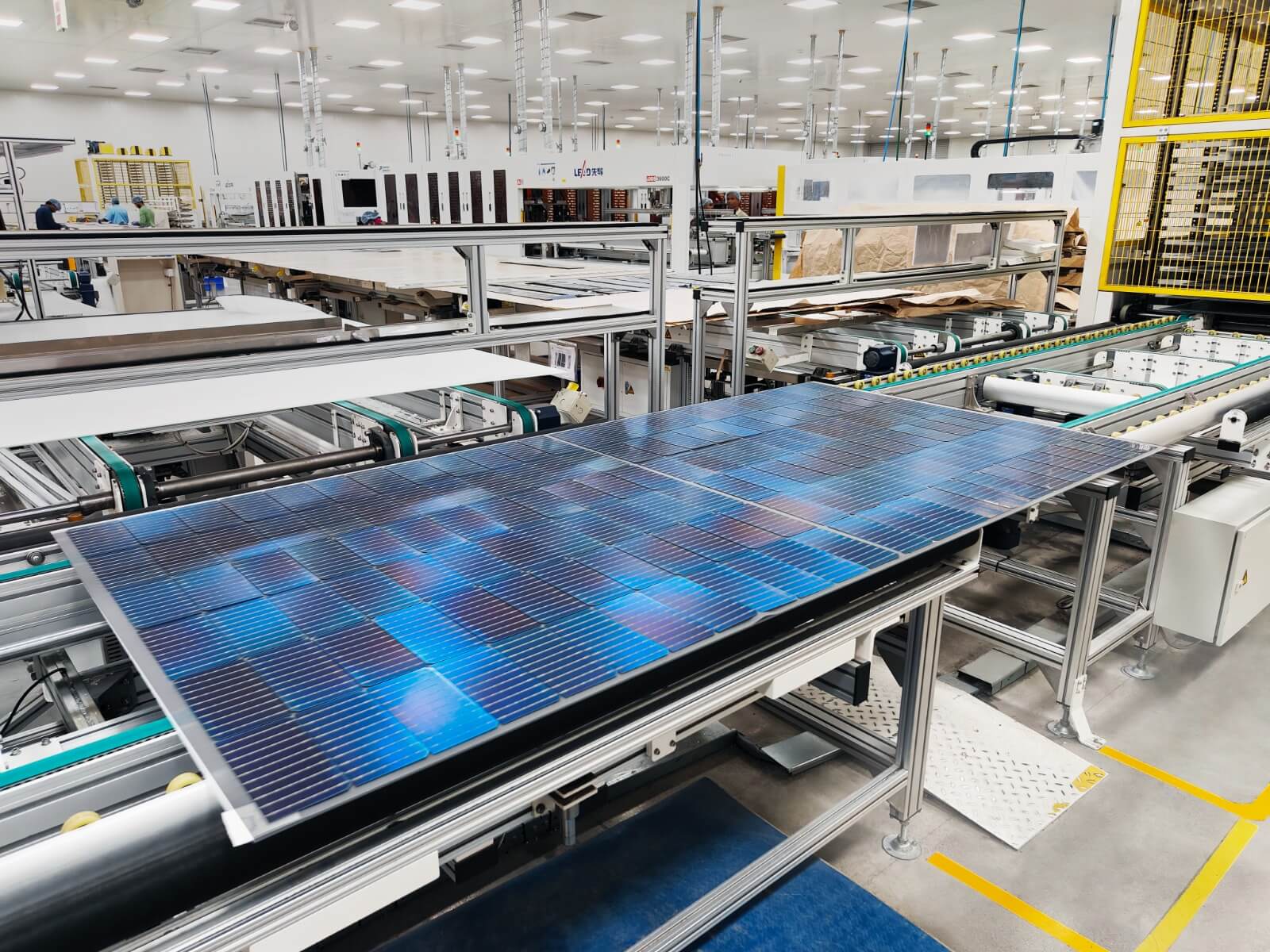
The Seetharampur facility is spread across 75 acres and is the latest addition to Premier Energies’ manufacturing operations. The plant is equipped with G12R TOPCon module manufacturing lines, India’s first Zero Bus Bar manufacturing unit, AGV-enabled material movement and AI-powered quality inspection systems. The automated lines can make one solar module every four seconds. That is a fast number. In factory terms, it shows the kind of scale India is trying to build as solar demand rises across homes, industries and large power projects.
Along with the solar module plant, Premier Energies also broke ground on a 6 GWh battery energy storage system facility and an aluminium frame manufacturing plant with annual capacity of 18,000 metric tonnes.
These new projects are aimed at building a stronger supply chain for clean energy equipment. Battery storage is becoming more important as India adds more solar and wind capacity. Solar generation rises in the day, demand can peak later, and storage helps bridge that gap.
Premier Energies currently has 11.1 GW module capacity and 3.6 GW cell capacity. The company said it received orders worth Rs 3,011 crore in the quarter ended June 30, 2026, for solar cells and modules. It is also investing Rs 6,000 crore to set up 10 GW ingot and 10 GW wafer capacity. That move is important, as India is trying to reduce dependence on imported solar components.
The Telangana plant fits into the wider Viksit Bharat 2047 vision, where clean energy, local manufacturing, jobs and technology are expected to play a larger role in India’s growth story.