
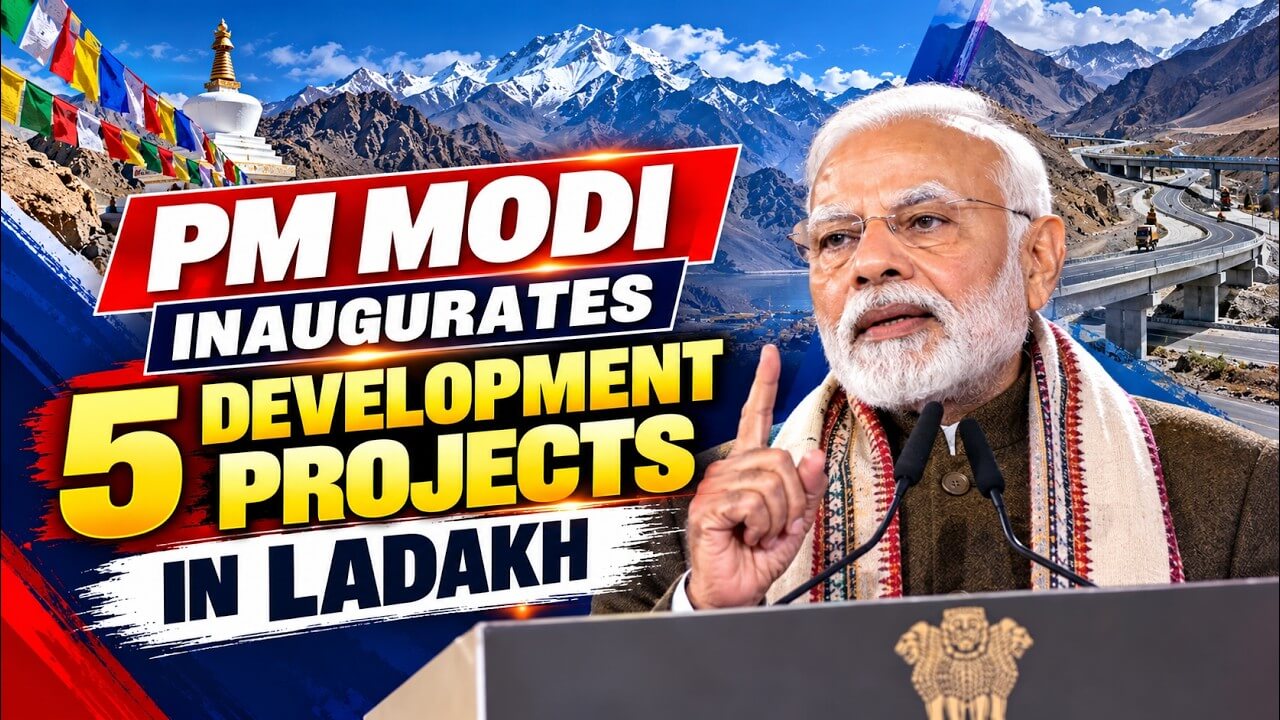
Prime Minister Narendra Modi has inaugurated and dedicated five major development projects worth around Rs 3,350 crore in Ladakh through video conferencing, focusing on improving regional connectivity, aviation infrastructure, power supply, irrigation and heritage conservation.
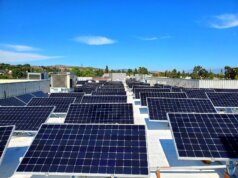
A key highlight is the inauguration of the new terminal building at Kushok Bakula Rinpoche Airport in Leh, developed at a cost of Rs 650 crore. The facility is designed to triple the airport’s capacity, increasing its annual passenger-handling capability from 10 lakh to 35 lakh. The terminal incorporates geothermal heating and solar energy systems to address the region’s extreme climatic conditions while supporting tourism and environmentally conscious infrastructure development.
The Prime Minister also dedicated the Nimmu–Padum–Darcha road project, built at an investment of Rs 2,500 crore. The strategic road corridor is expected to reduce travel time from around 12 hours to three hours, improving connectivity and facilitating trade and commercial activities across the region.
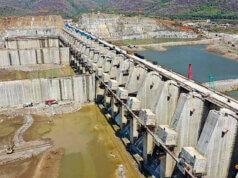
In the power sector, the Hanu hydroelectric project and its associated transmission network were dedicated to the people of Ladakh. The initiative is expected to improve electricity availability and support households, healthcare services, education and small businesses.
To strengthen water security and agricultural activity in the high-altitude region, 40 newly constructed reservoirs developed under Project Amrit Him Sarovar were also dedicated to the public. The reservoirs are intended to improve water availability for irrigation during critical agricultural periods.
The Prime Minister also inaugurated India’s first Petroglyph Conservation Park in Leh, aimed at protecting the region’s ancient rock art and preserving its cultural and historical heritage for future generations.
Highlighting Ladakh’s infrastructure development since it became a Union Territory in 2019, Modi said the region’s road network had expanded from 1,800 km to more than 4,000 km. The number of major bridges had increased from 19 to nearly 75, while helipads had grown from seven to more than 40. Household tap-water coverage had risen from 3.5% to nearly 99%, and hospital bed capacity had doubled, according to the figures cited in his address.
The Prime Minister also highlighted ongoing infrastructure initiatives, including the Zojila Tunnel, which is expected to improve all-weather connectivity between Ladakh and the rest of the country. He pointed to efforts to promote winter tourism, adventure tourism and local economic activity through the Vibrant Villages Programme, under which more than 40 border settlements are being upgraded.
Tourism and agriculture have also emerged as focus areas, with the number of local homestays increasing from approximately 150 to 3,000 and around 11,000 greenhouses operating across the region, according to the address.
On institutional development, Modi said the government had approved the establishment of a High Court Bench for Ladakh in August 2026. He also referred to proposals for satellite campuses of IIT Jammu and IIM Jammu, alongside the development of a Centre of Excellence in Leh, to expand access to higher education, research and advanced skills.
The government is also promoting digital connectivity through BharatNet and high-speed internet services to support e-governance, online education, tourism businesses and the marketing of local products.
Emphasising the commercial potential of Ladakh’s traditional products, the Prime Minister highlighted Pashmina wool, GI-tagged apricots, sea buckthorn, handicrafts and high-altitude floriculture. He said efforts were being made to improve product branding, expand market access and ensure better returns for local producers.
The projects and associated initiatives form part of broader efforts to strengthen Ladakh’s transport and energy infrastructure, support livelihoods, expand public services and preserve its distinctive cultural heritage.